
The Sign’s Changing Command
Serve the People!The household sign shifts from a political emblem into a private summons, then a keepsake and finally a compulsive relic.
increasing Bearing strength in each event
 decreasing
Bearing strength in each eventdecreasingThe Sign Takes Its Place
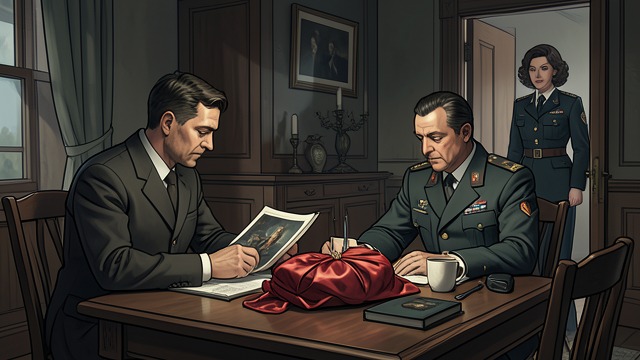
A Household Emblem
Political meaning
The “Serve the People!” sign occupies the dining table, where Wu Dawang reads its imagery as a lesson in revolution and national destiny. Its authority appears unquestionable.
Domestic power
In the Commander’s home, the sign also marks hierarchy: it presides over meals and reminds the orderly that service to the household is service to the state.
A Private Signal
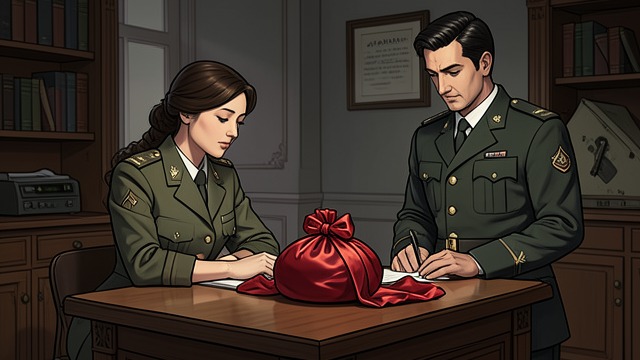
The Sign Moves
A coded summons
Liu Lian places the sign where Wu Dawang will notice it and tells him that its absence from the usual place means she wants him upstairs. The political object acquires an intimate second meaning.
Unequal understanding
He initially treats the instruction as a puzzling household request. The sign’s new code begins to pull him between obedience to the Commander and curiosity about Liu Lian.
A Failed Summons
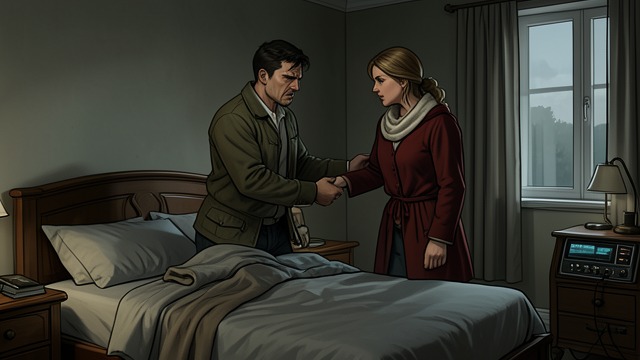
Desire and Refusal
The exposed bedroom
Liu Lian appears nearly naked, but Wu Dawang’s fear of the Division Commander and the Party overwhelms his desire. He insists on political propriety where she hoped for a response.
A symbol gains force
Her disappointment shows that the sign’s private meaning depends on his willingness to follow it. He leaves without understanding that he has altered their relationship.
A Relic Between Them
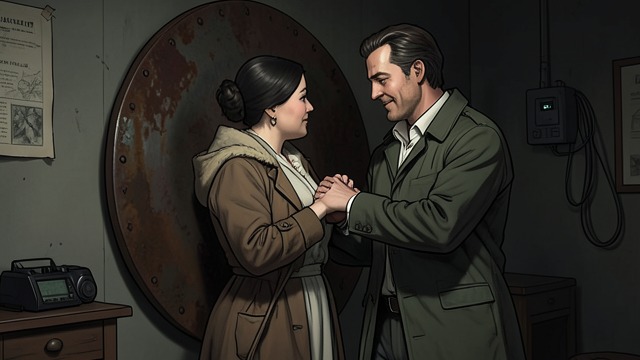
The Sign Survives
A shared emblem
As their intimacy deepens, the sign repeatedly summons Wu Dawang from work and becomes part of their private routines. Their political language turns into playful erotic shorthand.
The exception
During their campaign against household Maoist objects, Wu Dawang refuses to let Liu Lian destroy this sign. Its political past and intimate meaning have become inseparable to him.
The Sign in Wujiagou
Compulsion at Home
A substitute object
Back in Wujiagou, Wu Dawang finds a battered sign bearing the same words and begins carrying it through farm work and family life. The phrase no longer serves as simple political instruction.
A damaging ritual
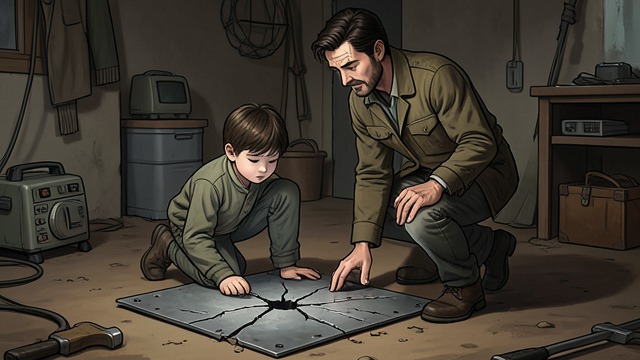
He places it beside his bed and treats his wife with the roughness he associates with the affair. When his son steps on it, Wu Dawang strikes the child, showing how the emblem has become a source of harm.
At the opening of the story
Three days before the opening scene
That evening, after his first visit upstairs
During the lovers’ last days together
After his return to the village
